

Blogs
Technical reading for metal additive manufacturing teams, written for the engineer who has to make the part.
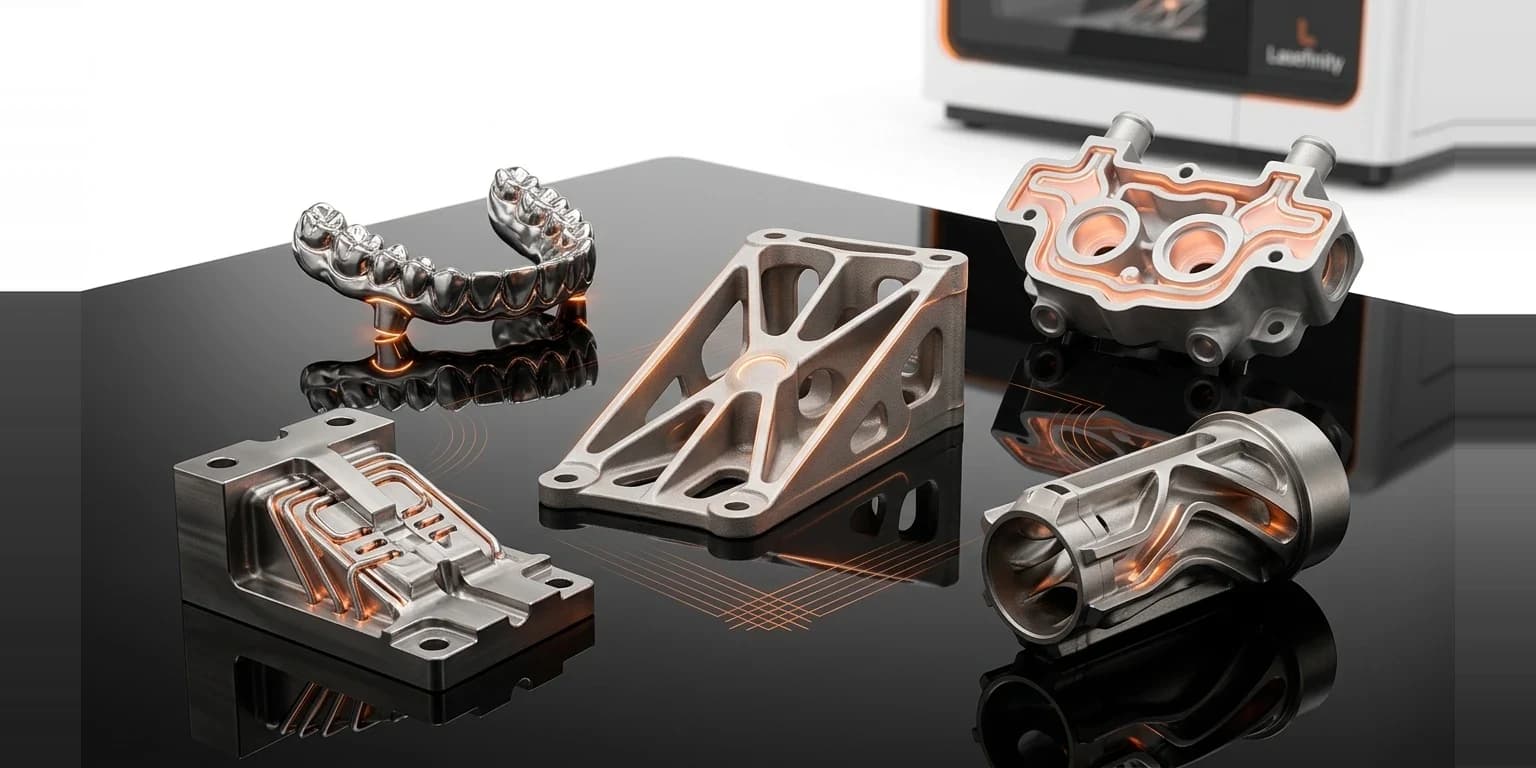
Metal 3D Printing Applications
Explore metal 3D printing applications across aerospace, medical, automotive, tooling and energy, with real-world examples and process selection tips.
Read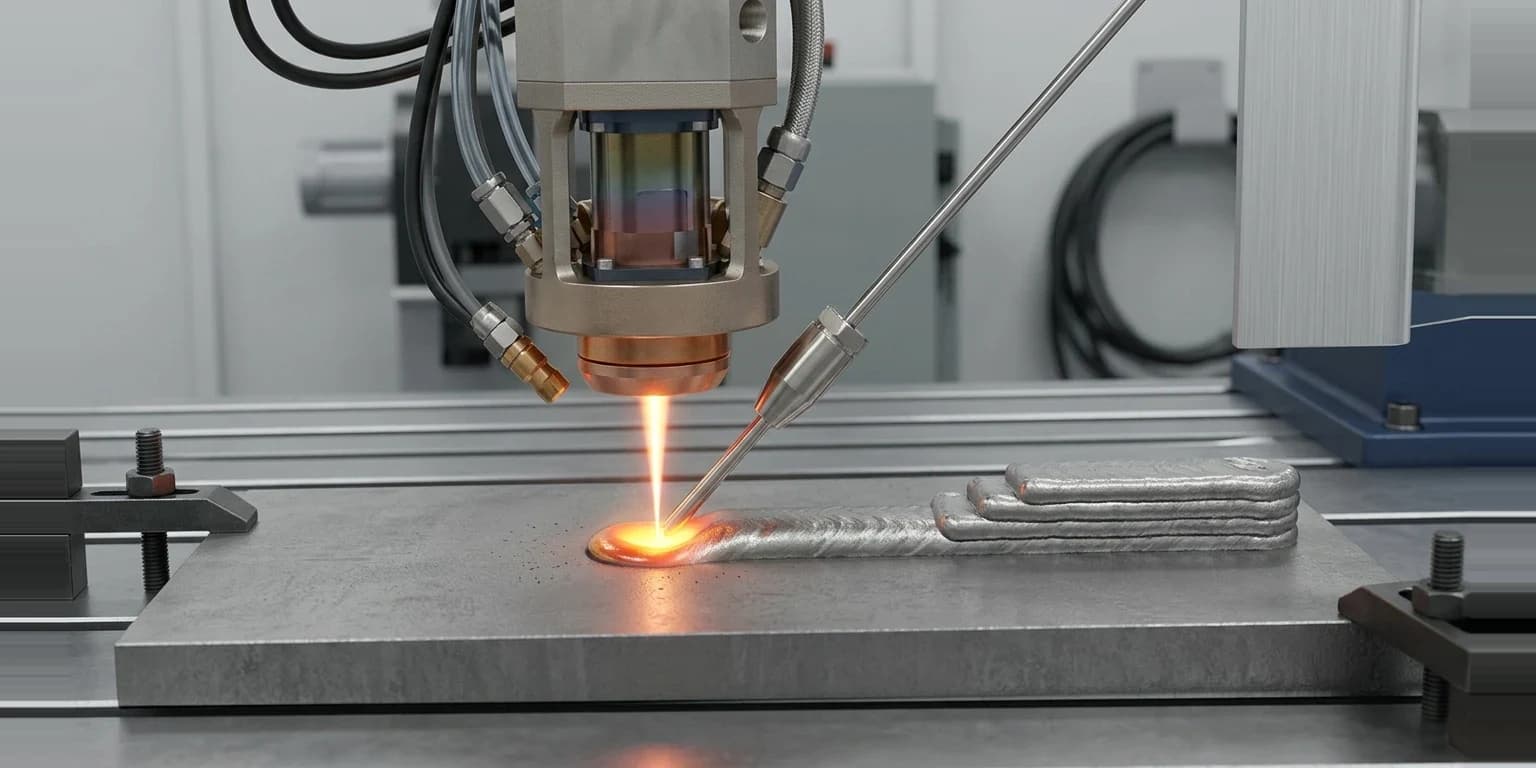
What Is Directed Energy Deposition (DED)?
A clear guide to directed energy deposition (DED): how wire-fed metal 3D printing works, the main DED types, the metals it uses, and where it is used.
Read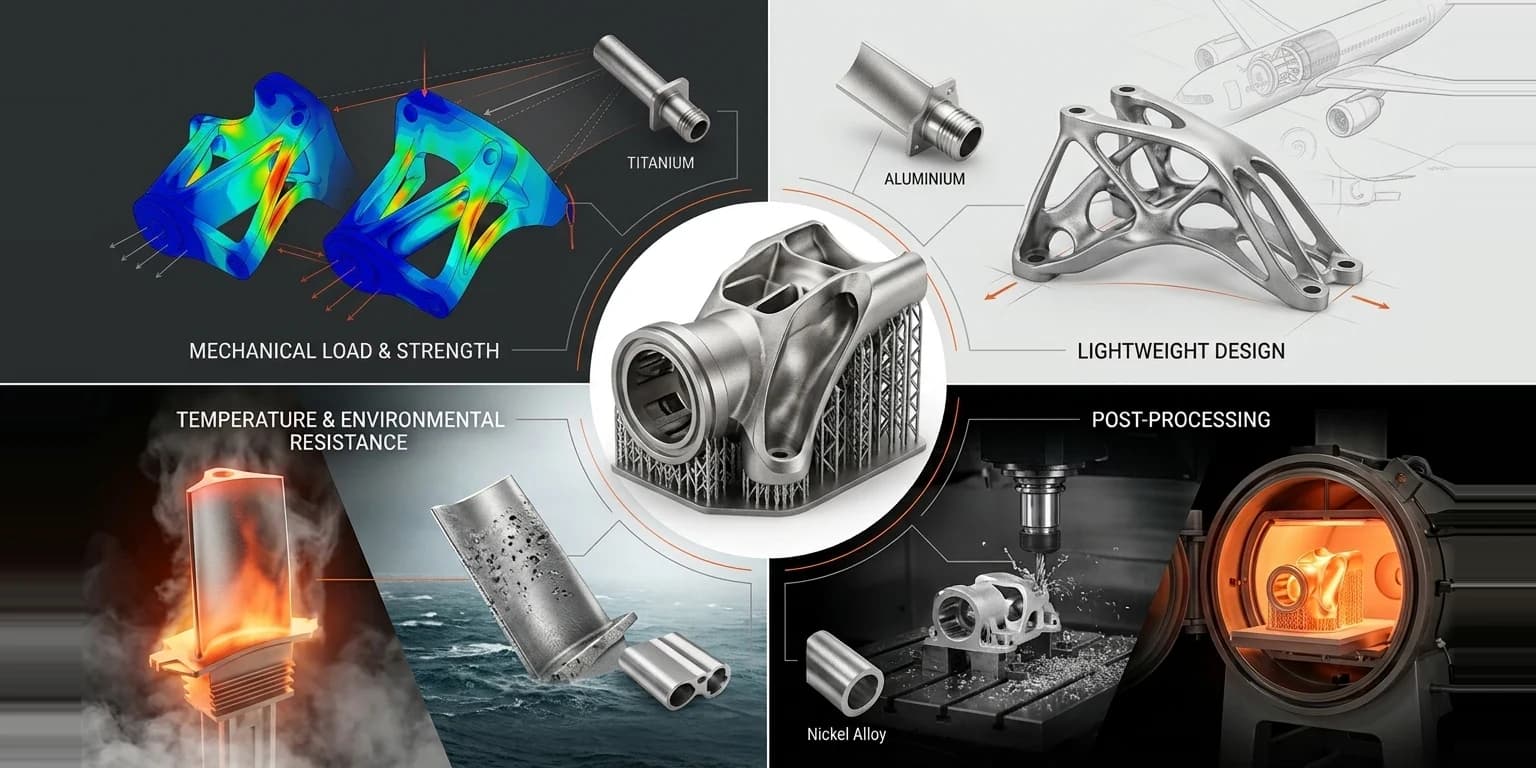
Metal 3D Printing Materials Explained
Explore metal 3D printing materials, including stainless steel, titanium, aluminium, nickel, copper and more. Compare properties, uses and AM considerations.
Read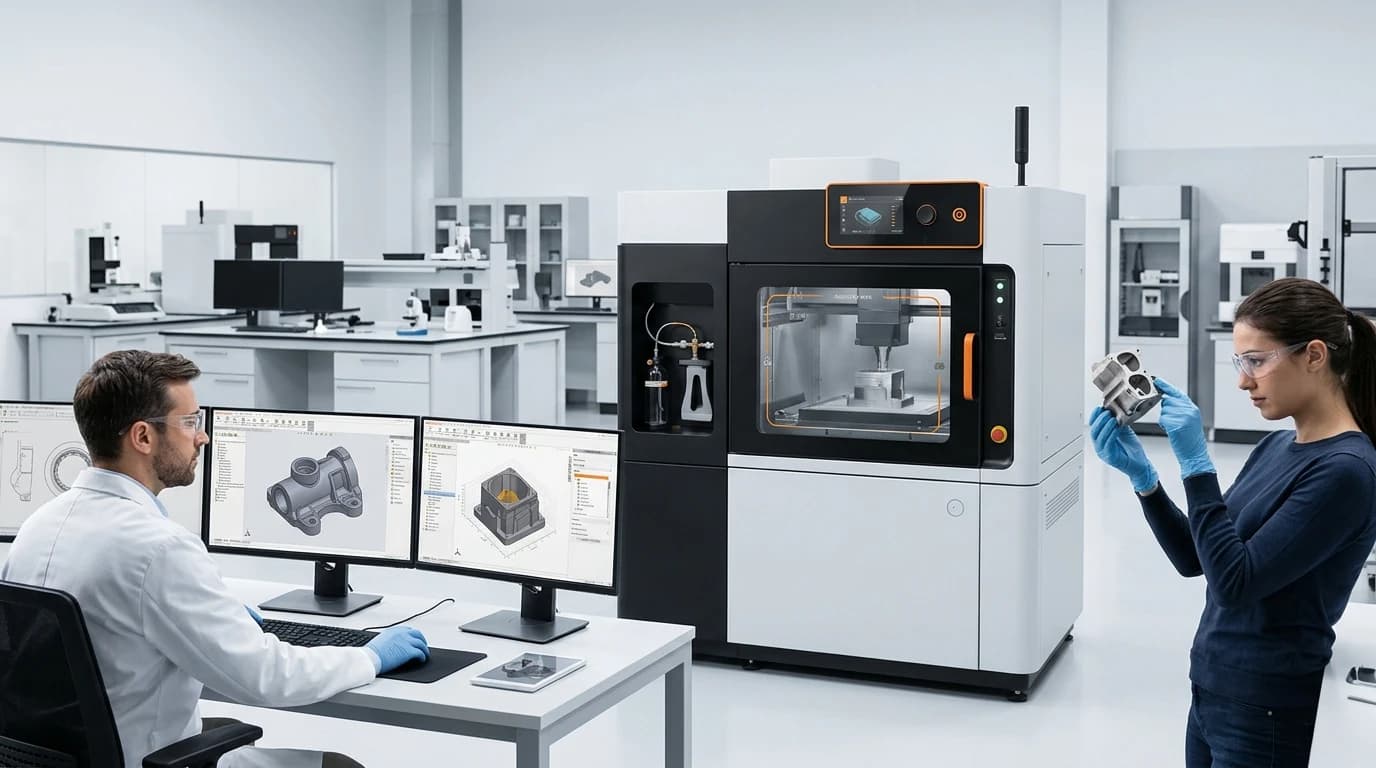
Metal 3D Printing in Education
Learn how to set up a safe metal 3D printing lab for education, including machine selection, student training, safety, materials, post-processing and research.
Read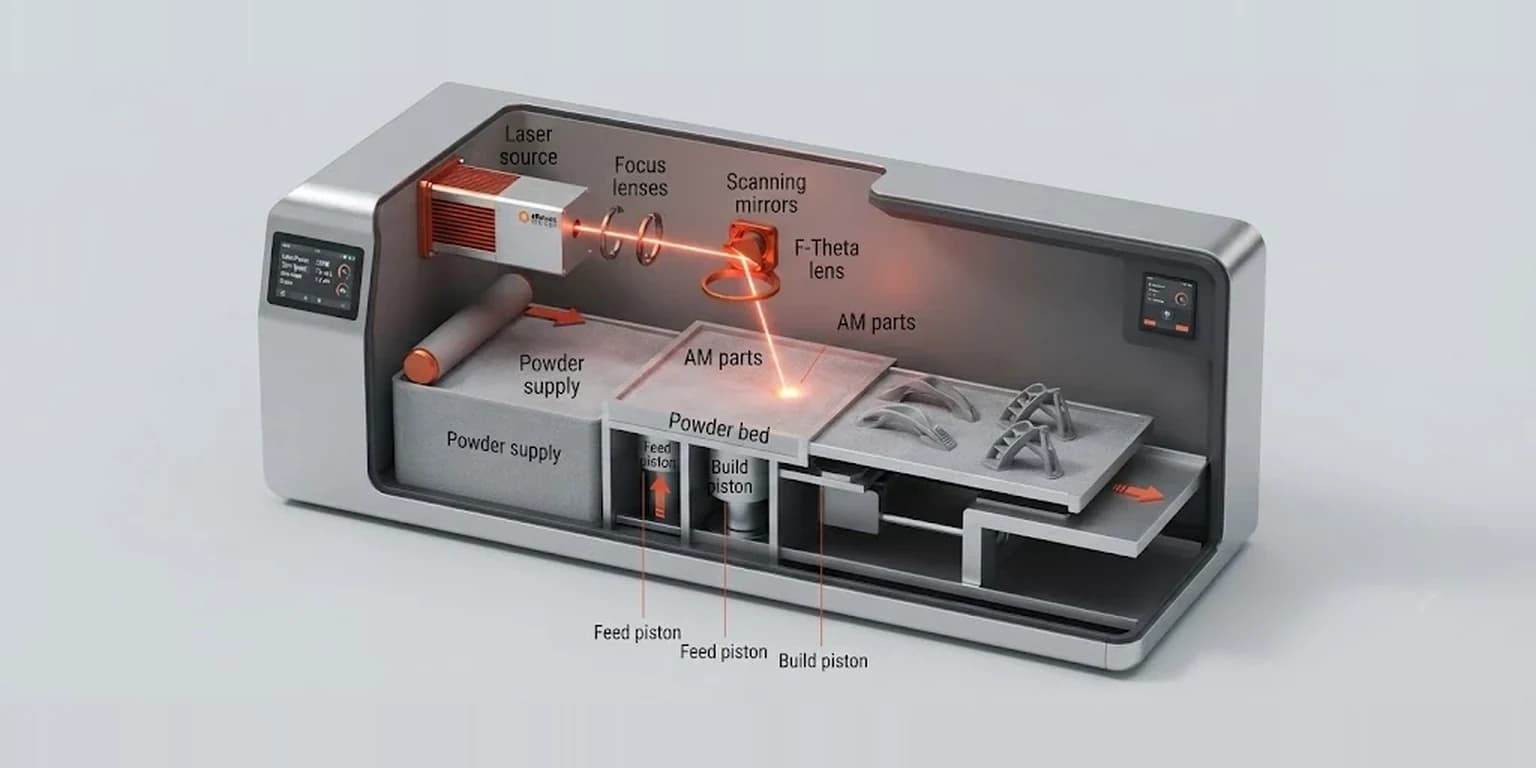
What Is Laser Powder Bed Fusion (LPBF)?
Learn how laser powder bed fusion works, how LPBF differs from SLM, DMLS, DED and binder jetting, and what affects part quality, cost and build time.
Read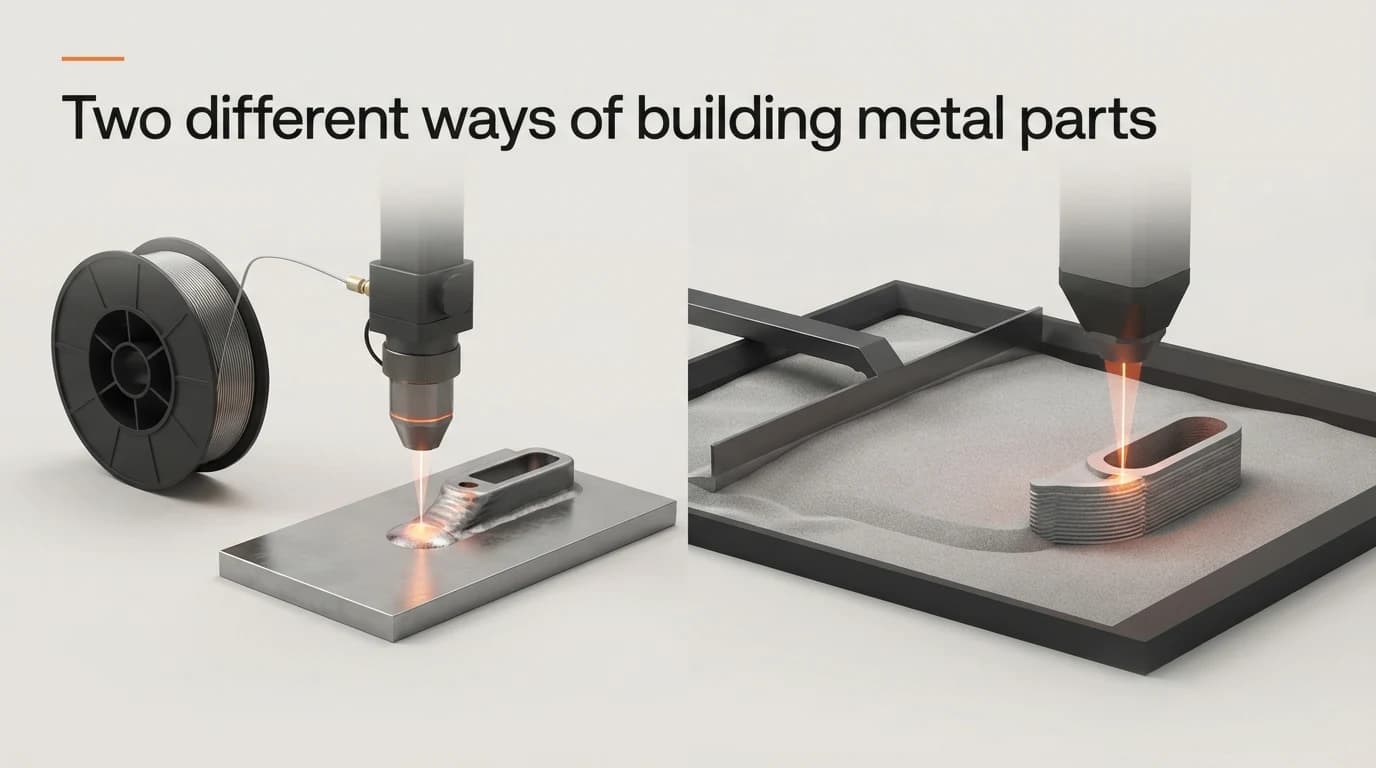
Wire vs Powder Metal 3D Printing
Compare wire vs powder metal 3D printing on safety, cost, detail, build size and finishing to choose the right system for the parts you make.
Read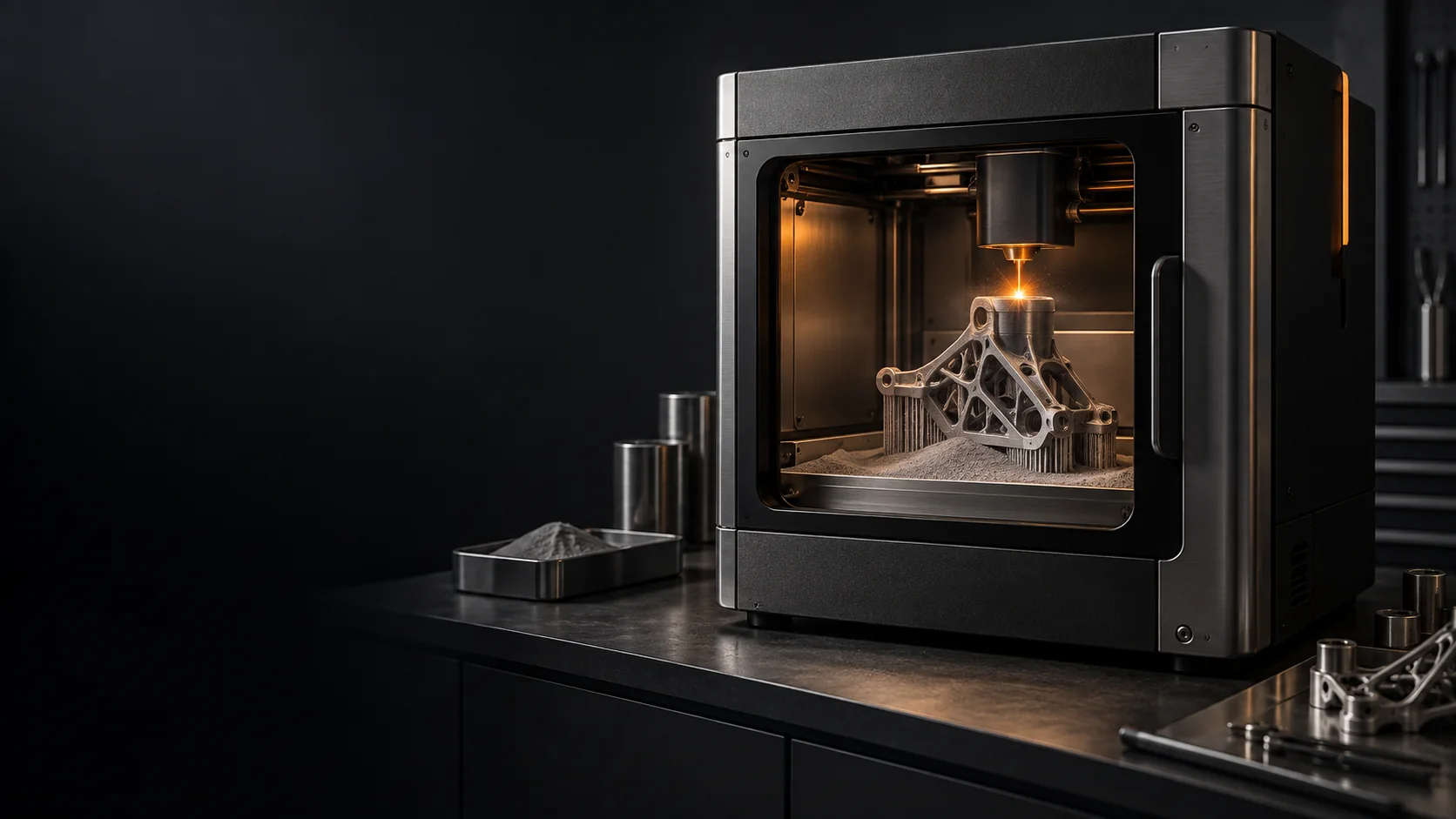
Metal 3D Printers for Small Businesses
When does bringing a metal 3D printer in-house make sense for a small business? Applications, real costs, infrastructure, skills and how to choose the right system.
Read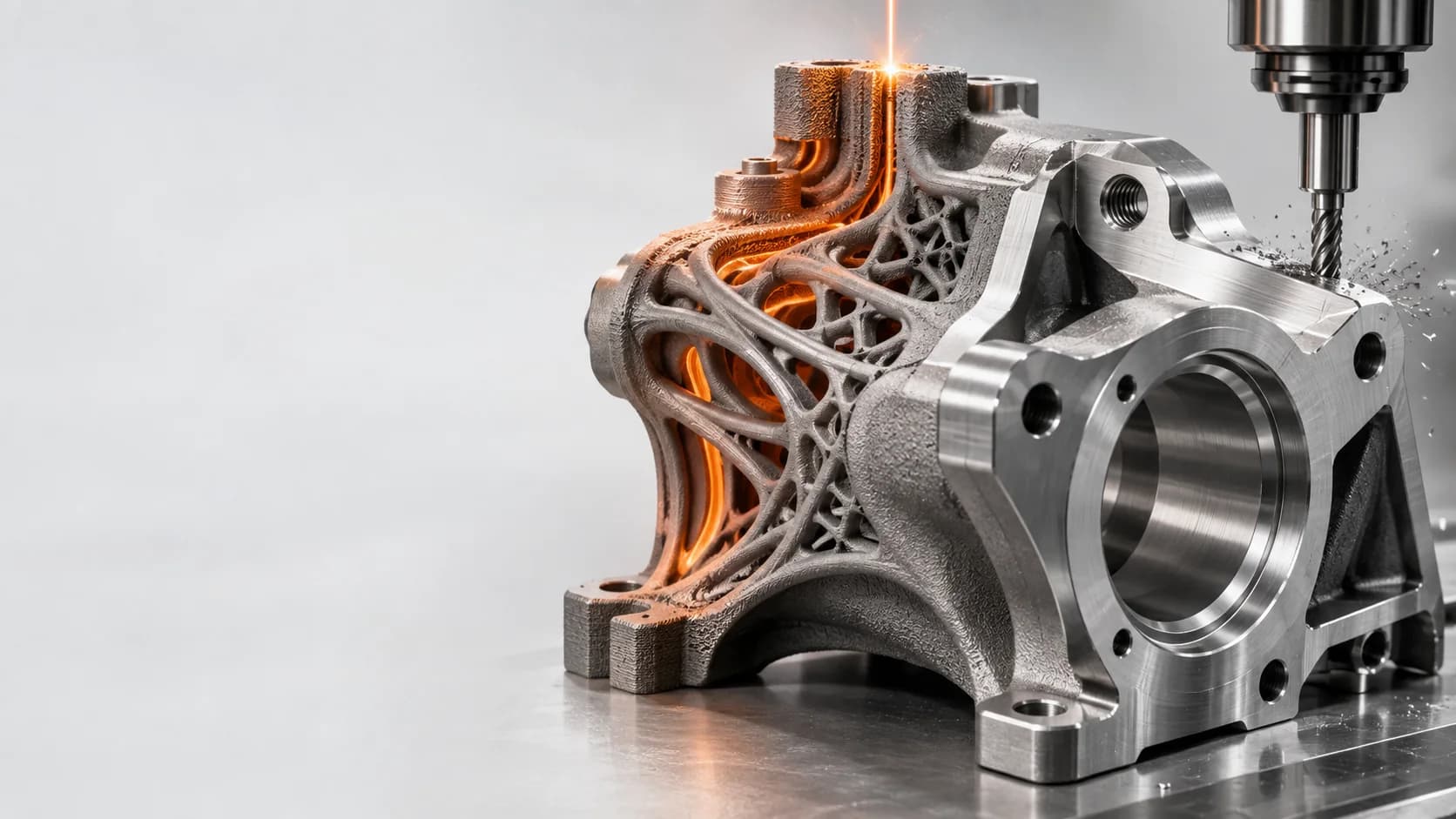
Combining additive and subtractive manufacturing for better metal parts
Why deposition, machining, finishing and repair increasingly belong inside a single manufacturing strategy rather than competing with one another.
Read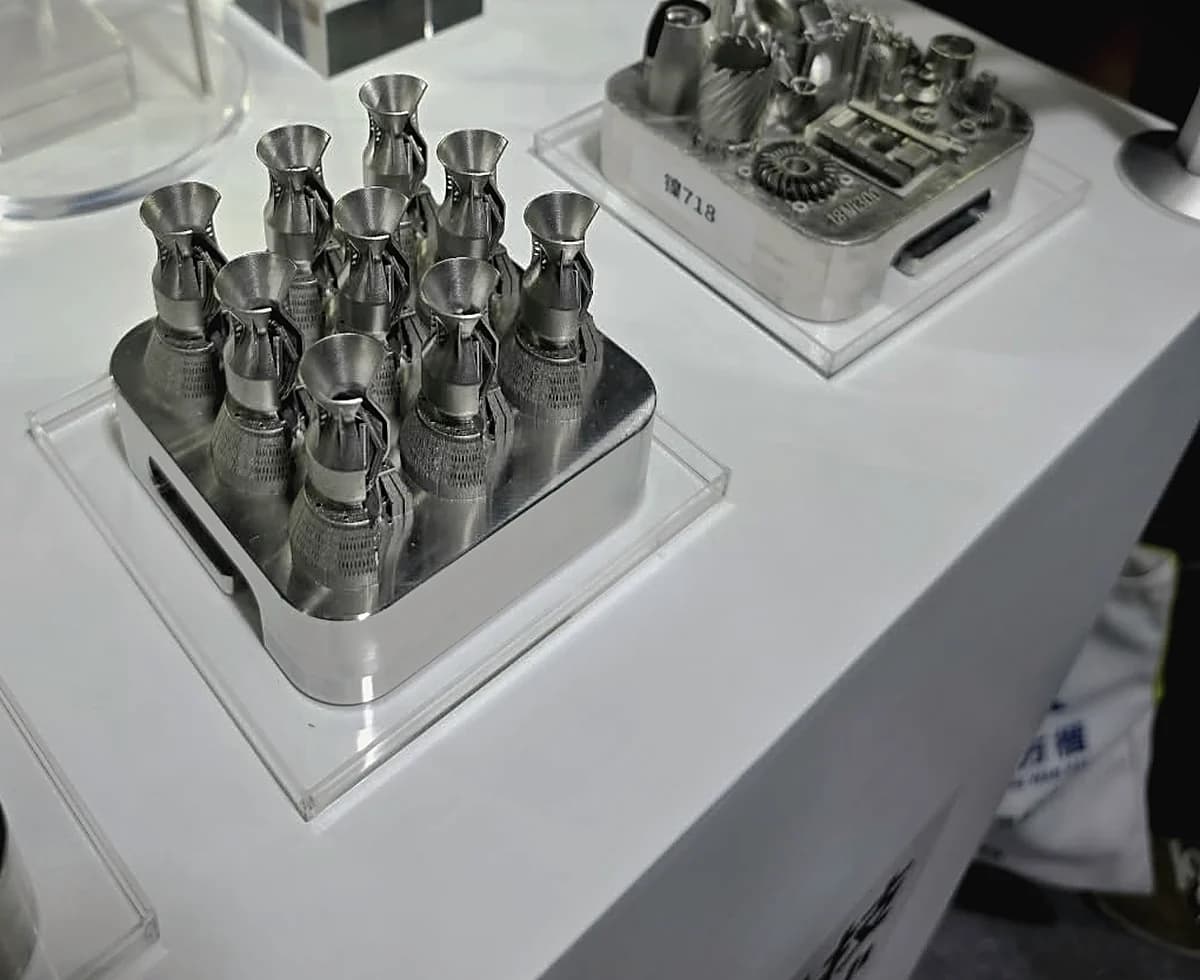
L-PBF and complex, compact heat sink design
TPMS lattices, thermal performance and what is actually manufacturable at 20-50 µm layers.
Read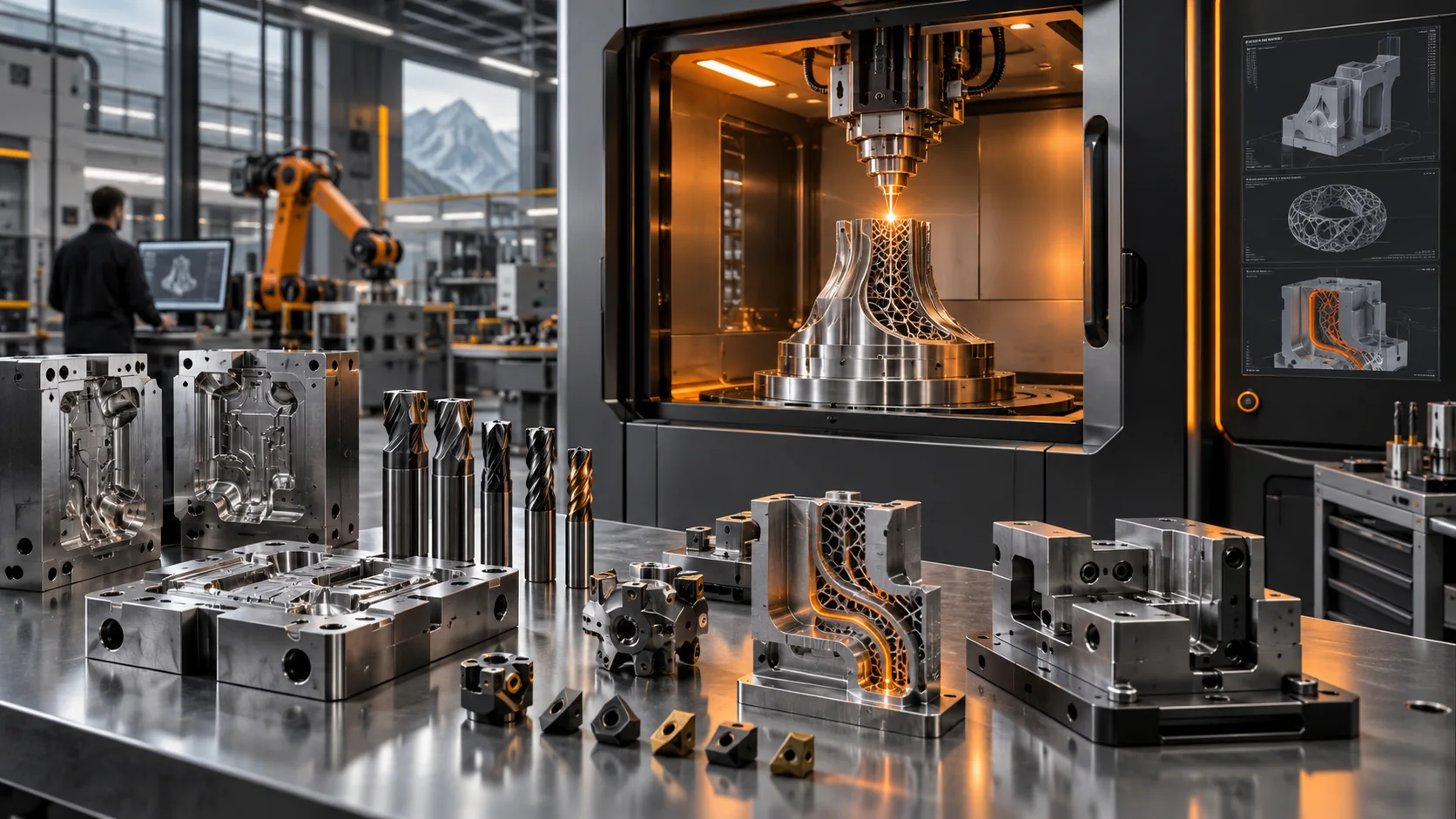
The future of tool manufacturing with metal AM
Porosity, residual stress, cracking and the post-processing that decides whether a printed tool survives.
ReadRequest a quotation
Send us the material, the part geometry and the tolerances you are working to. We will recommend the right process and system configuration, including telling you when the answer is not one of ours.