
Technologies
What each process does, what it is good at and where it stops. Choosing correctly at this stage saves far more money than choosing the cheapest machine.
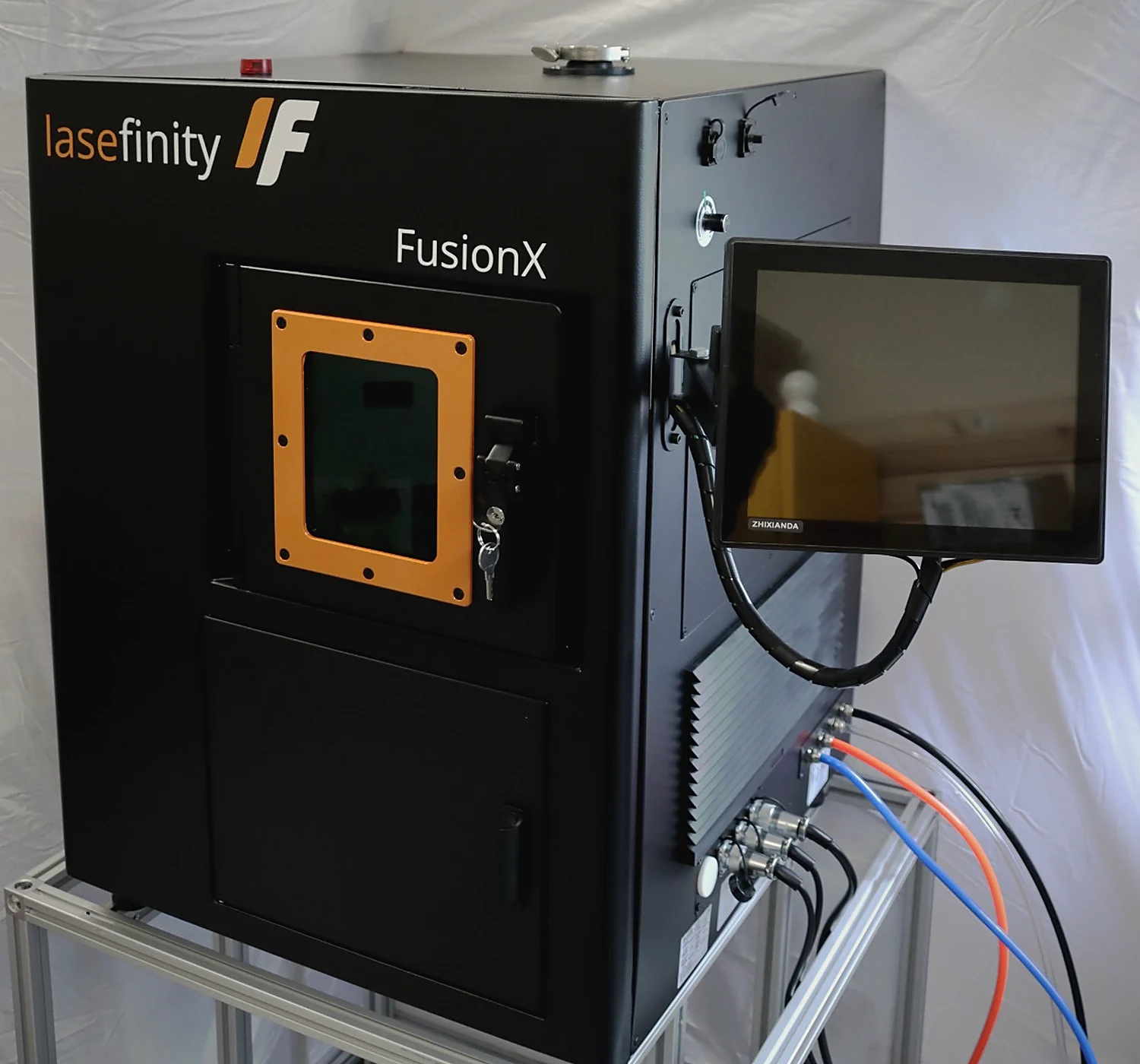 L-PBF
L-PBFLaser powder bed fusion
A laser melts selected areas of a thin layer of metal powder, a recoater spreads the next layer, and the part is built up layer by layer inside an inert chamber.
Well suited to
- Fine features, thin walls and internal channels
- Lattice and TPMS structures
- Consolidated assemblies with no fasteners
- Reactive alloys under a controlled atmosphere
Practical limits
- Build volume is the constraint, not the geometry
- Powder handling requires proper procedure and PPE
- Controlled surfaces need machining afterwards
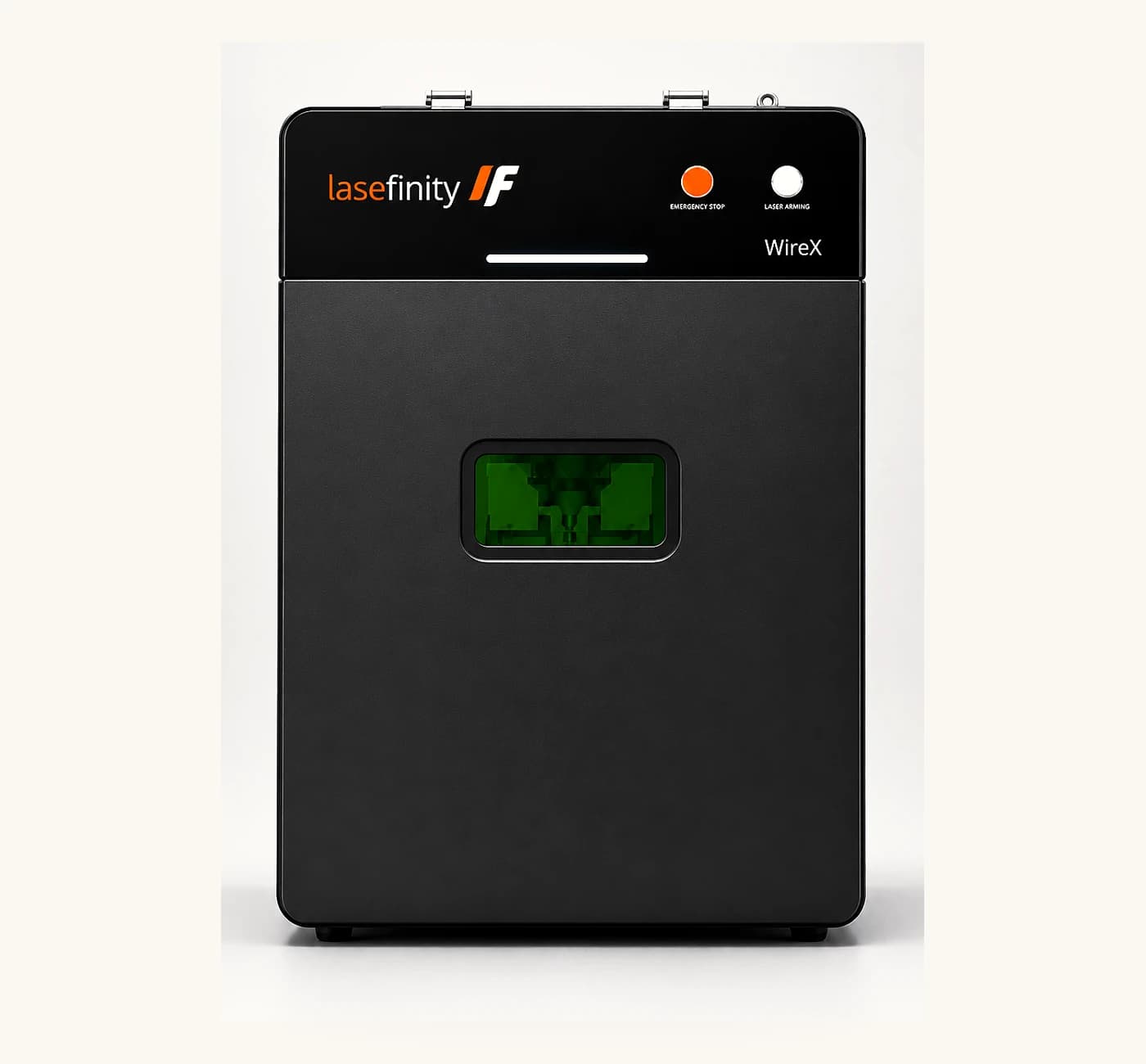 DED
DEDDirected energy deposition
A laser creates a melt pool on the substrate while metal wire is fed into it, depositing material bead by bead. Because it adds to an existing surface, it repairs as well as it builds.
Well suited to
- Near-net-shape parts that will be finish-machined
- Repair, cladding and wear surfaces
- Deposition and heat-input research
- Teaching labs, where wire is simpler and safer than powder
Practical limits
- Feature resolution is coarser than powder bed fusion
- Surface finish always needs machining
- Geometry is limited by the deposition head access
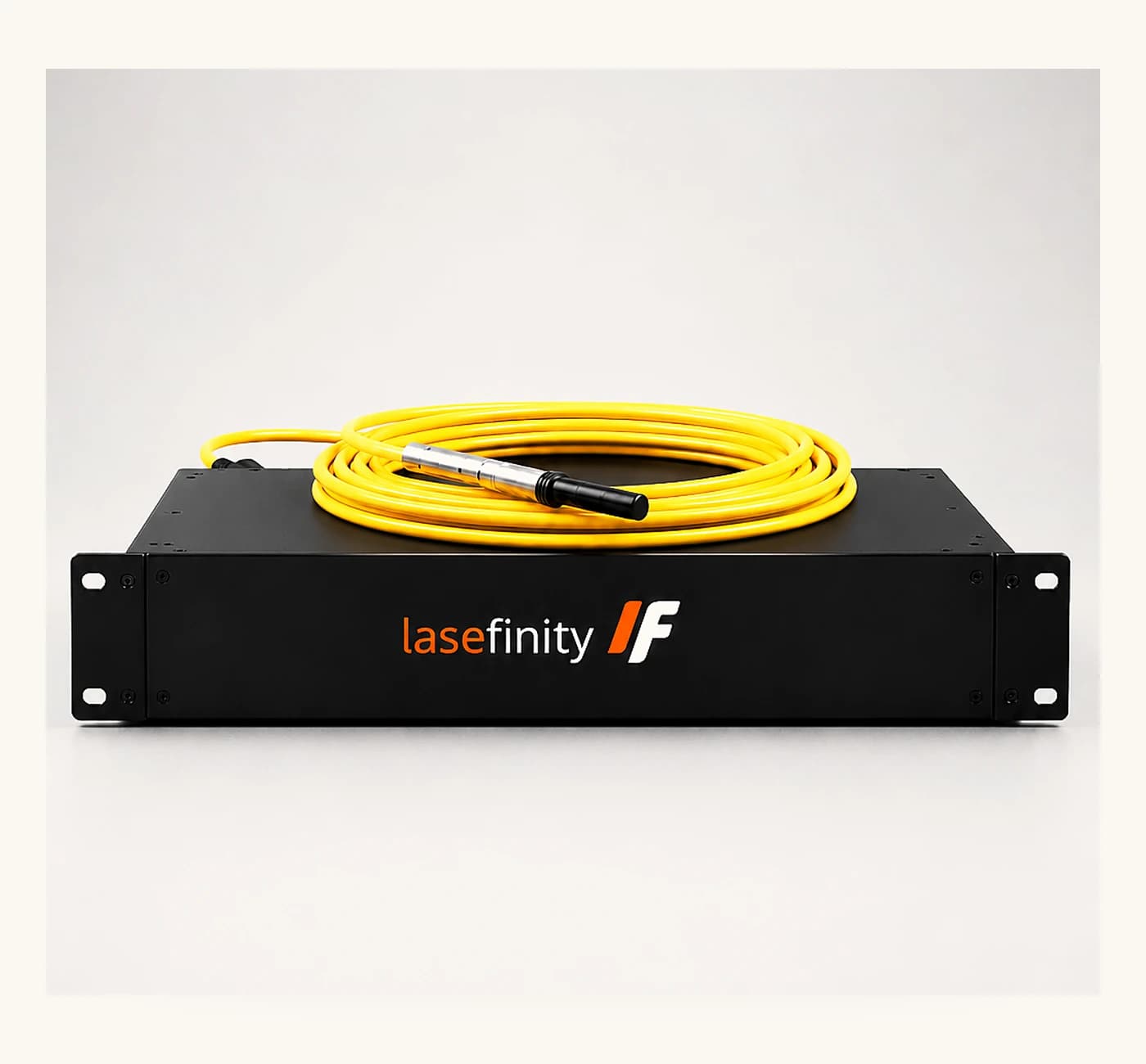 LASER
LASERIndustrial fibre laser
The 500 W CW fibre source used inside our own systems, available separately for laboratories, machine builders and OEM integrators who want a supported source to design around.
Well suited to
- OEM integration into your own machine
- Welding, cutting and marking development
- Metal AM research platforms
- Sustained duty cycles with water cooling
Practical limits
- A source, not a complete system: motion and control are yours
- Requires appropriate laser safety enclosure and interlocks
Request a quotation
Send us the material, the part geometry and the tolerances you are working to. We will recommend the right process and system configuration, including telling you when the answer is not one of ours.