
The framing is wrong
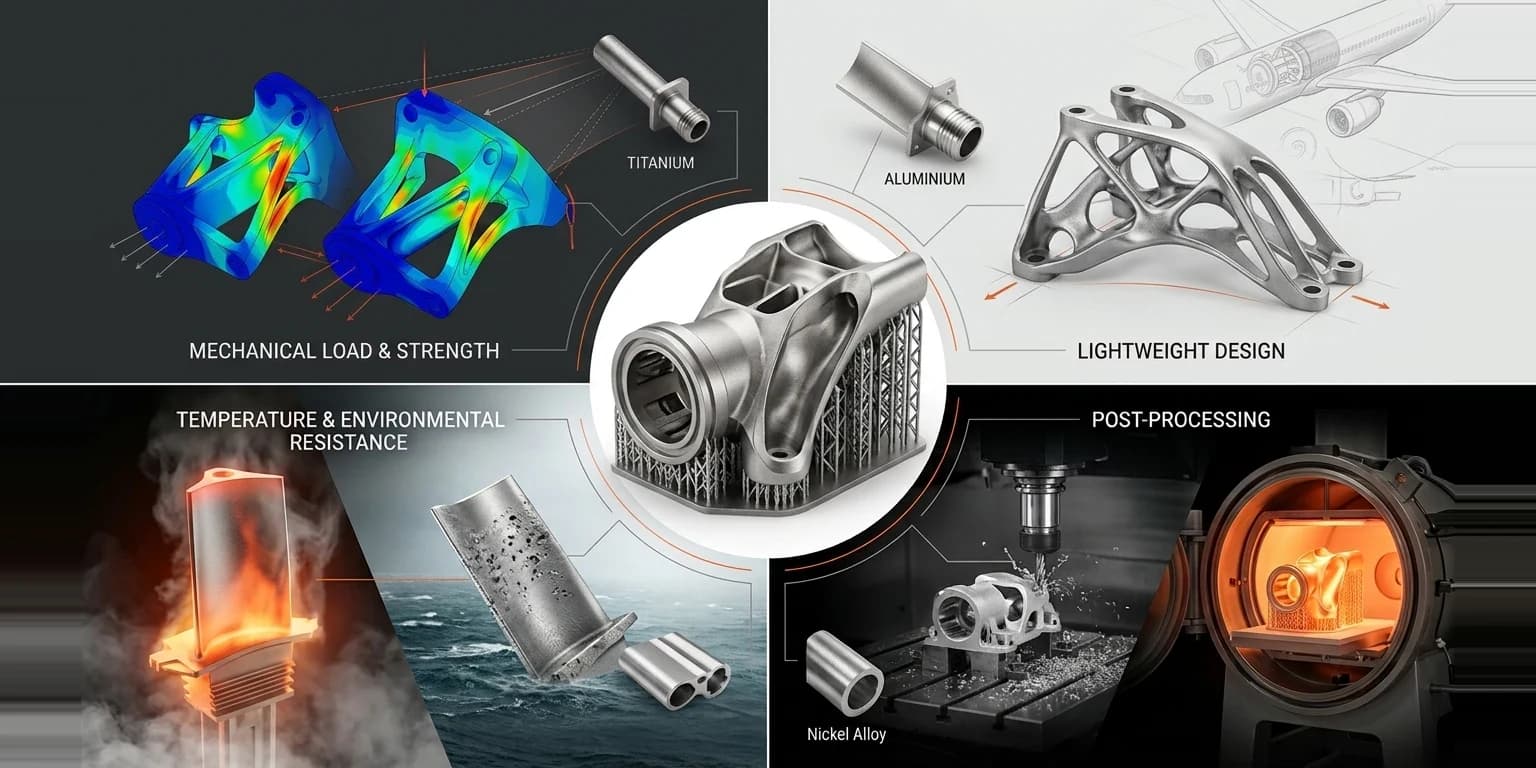
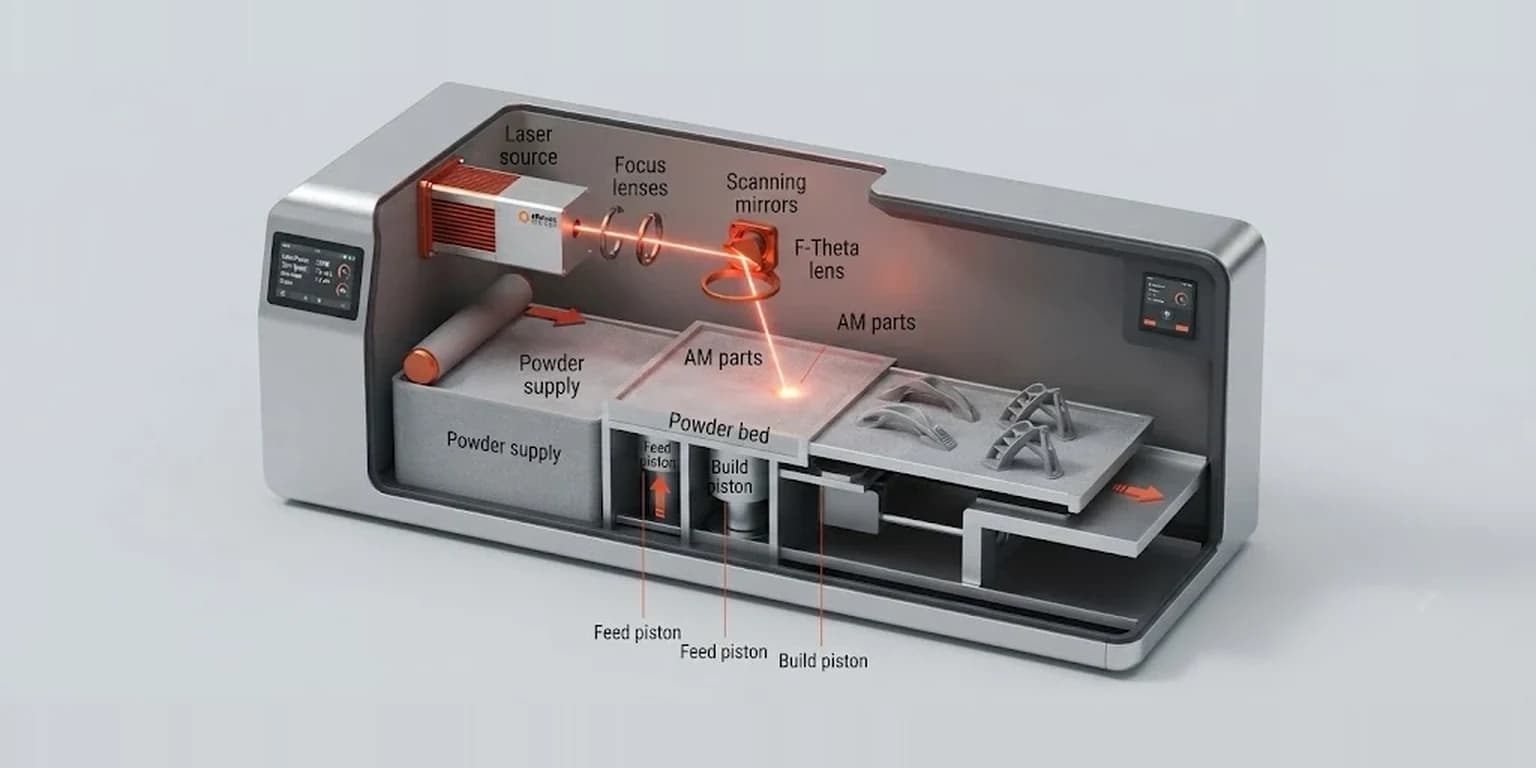
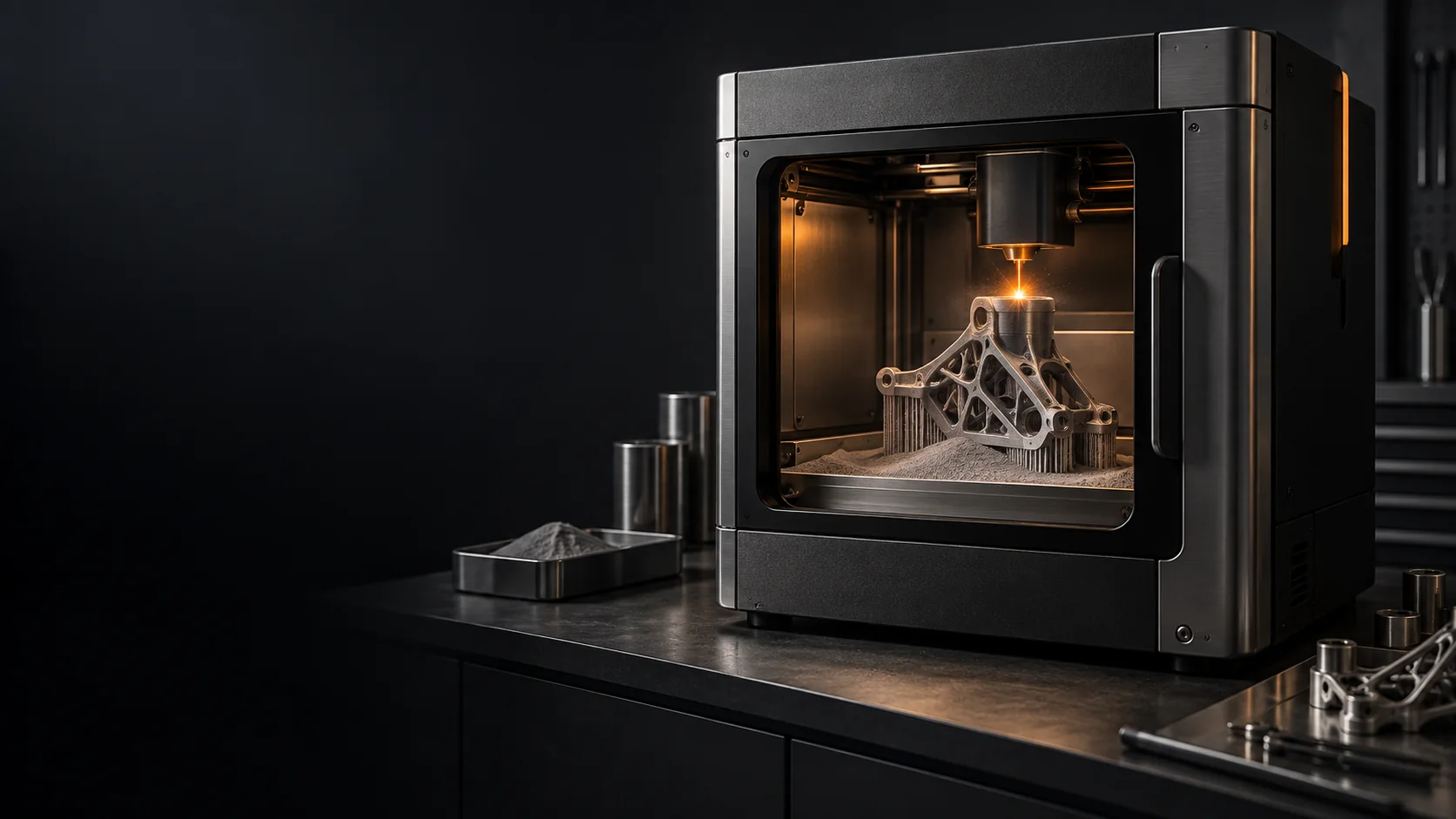
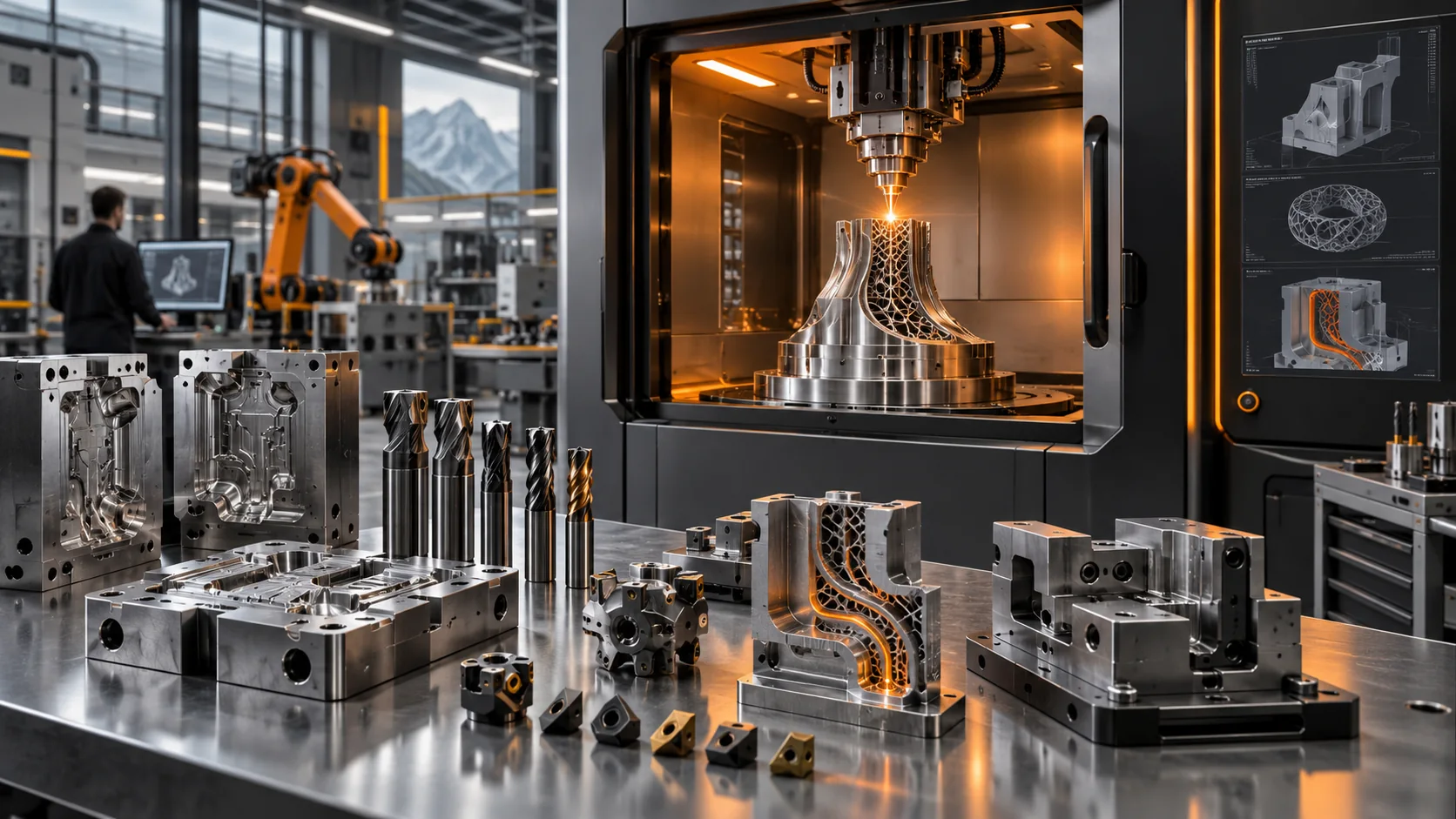
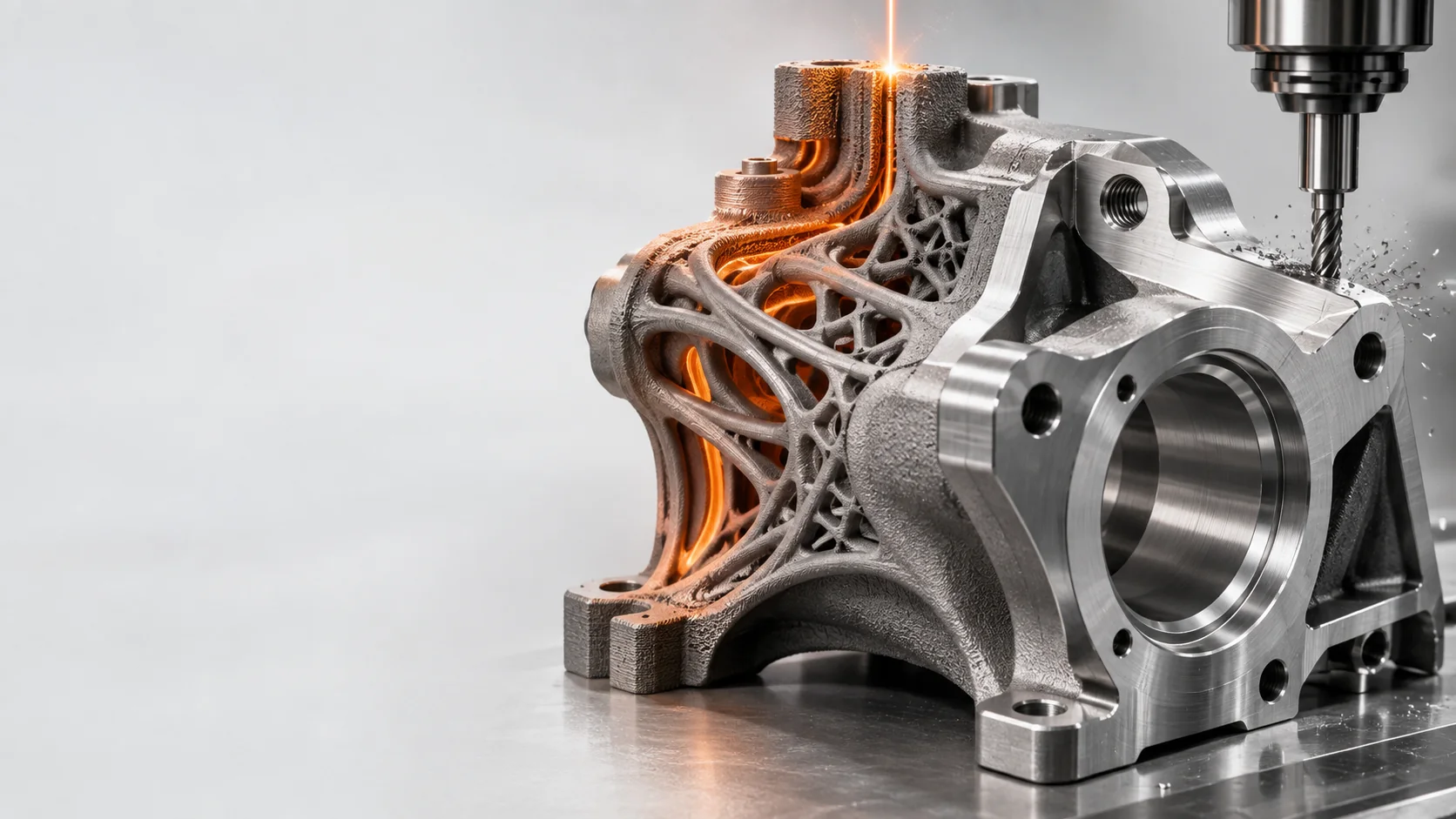
Additive and subtractive manufacturing are still often discussed as if a shop has to pick one. That framing survives because it makes for simpler marketing, not because it reflects how metal parts are actually produced. Almost every printed metal component that ends up in service has been machined somewhere: mating faces, bores, threads, datum surfaces.
The productive question is narrower: for this part, which features are best created by adding material, and which are best created by removing it?
Where addition wins
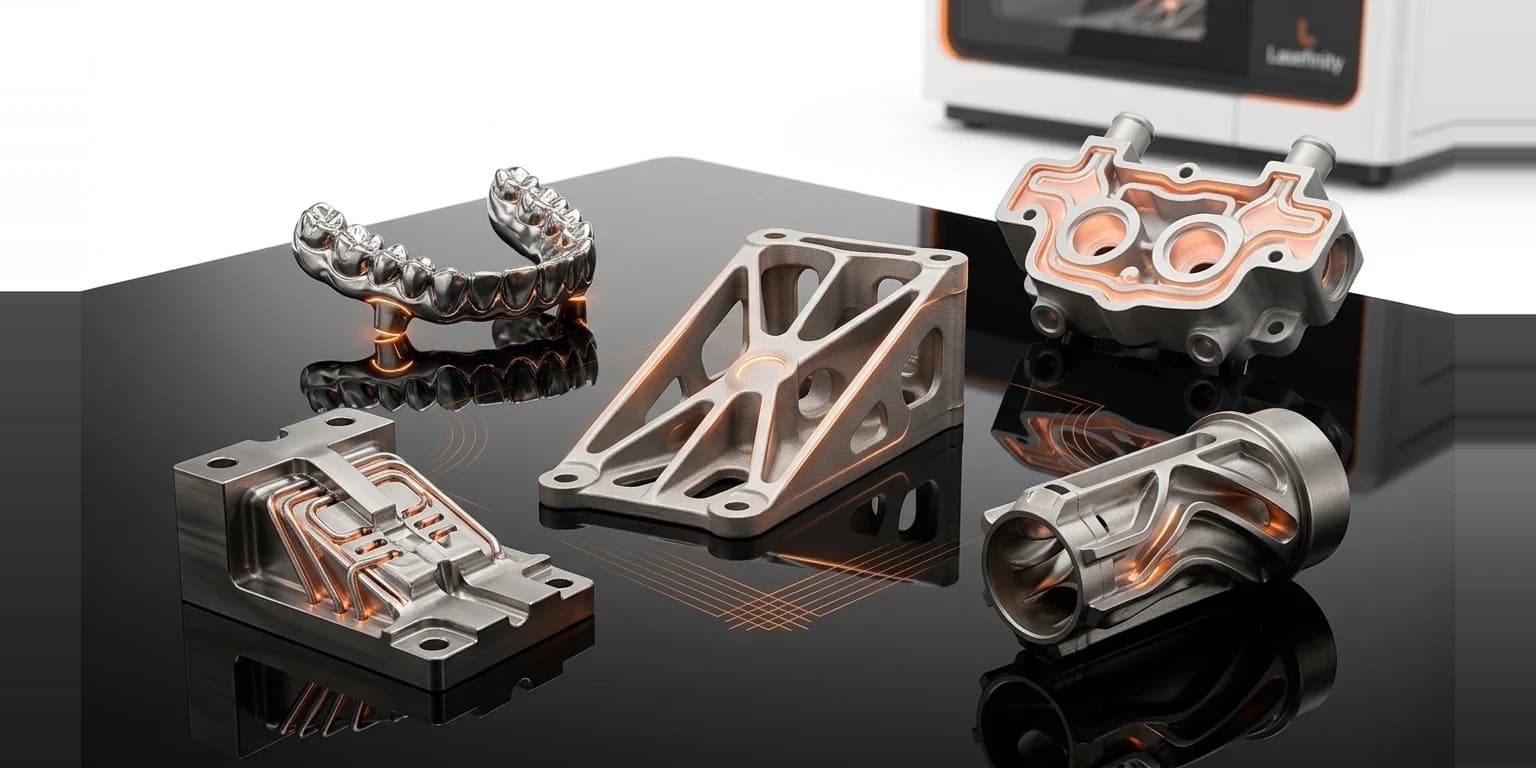
Internal channels that follow a curved surface. Lattice structures tuned for stiffness or thermal transfer. Consolidated assemblies that replace a dozen fasteners with one body. These are geometries a cutter physically cannot reach, and no amount of fixturing changes that.
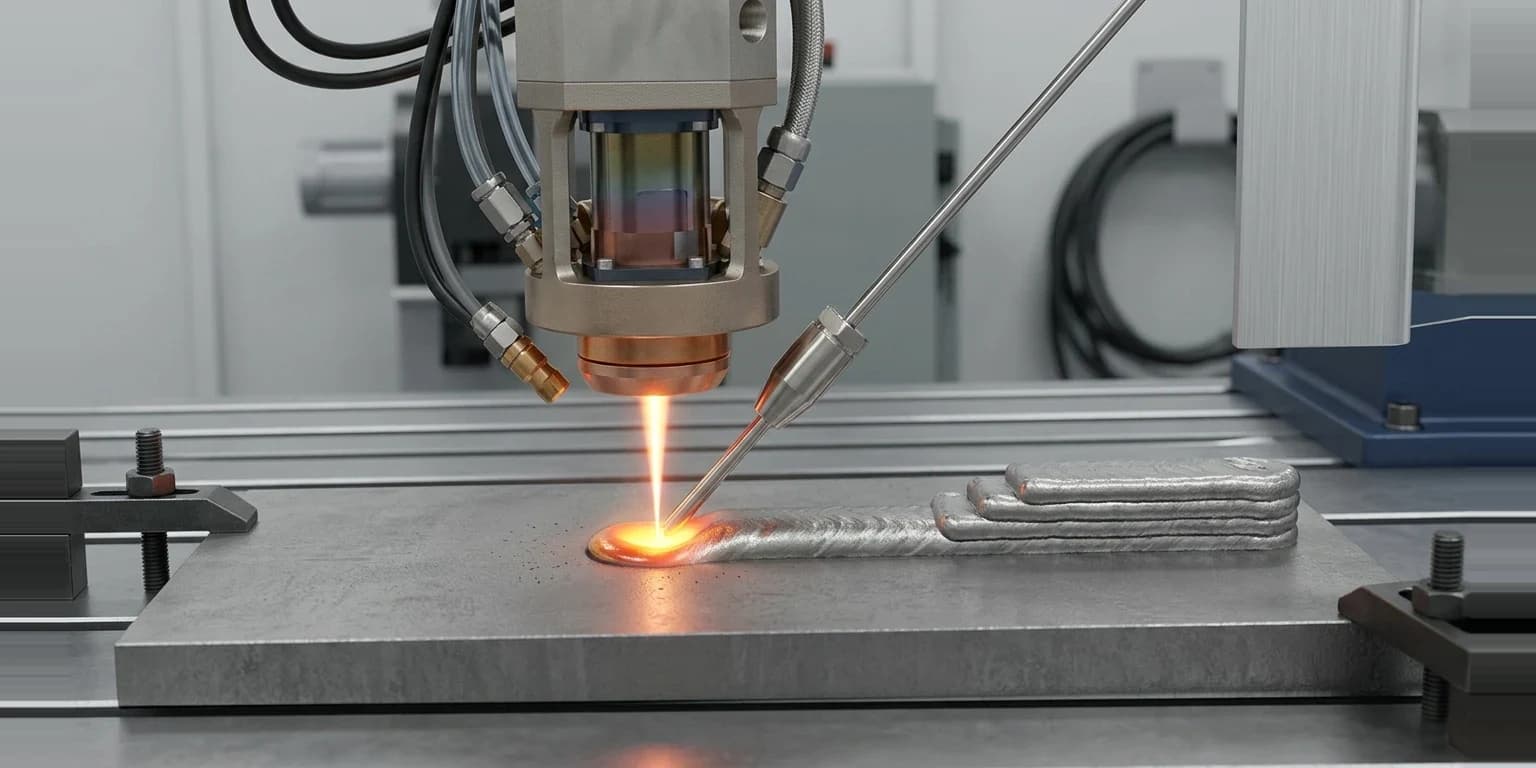
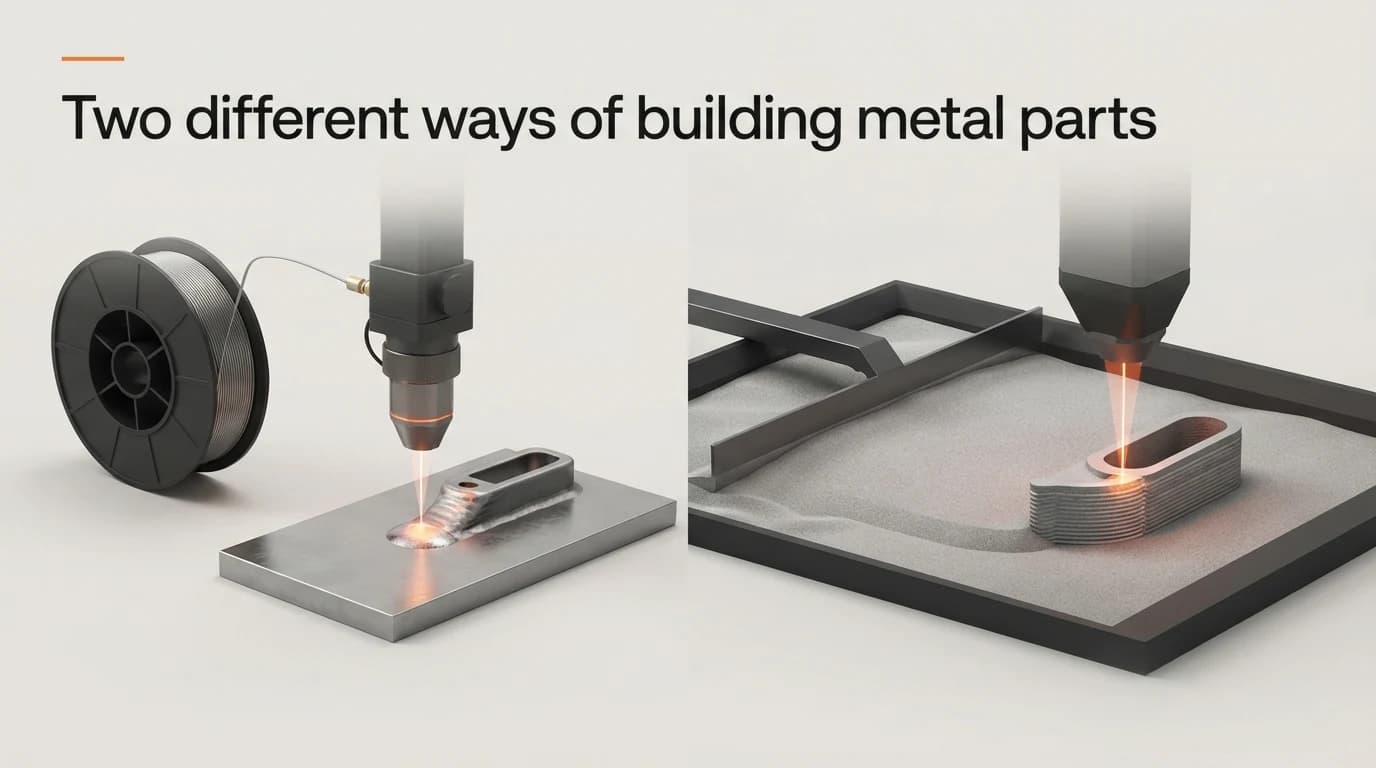
Wire-fed deposition adds a second case: putting material back onto a component that already exists. Repair and cladding are additive processes that have nothing to do with printing a part from scratch.
Where removal wins
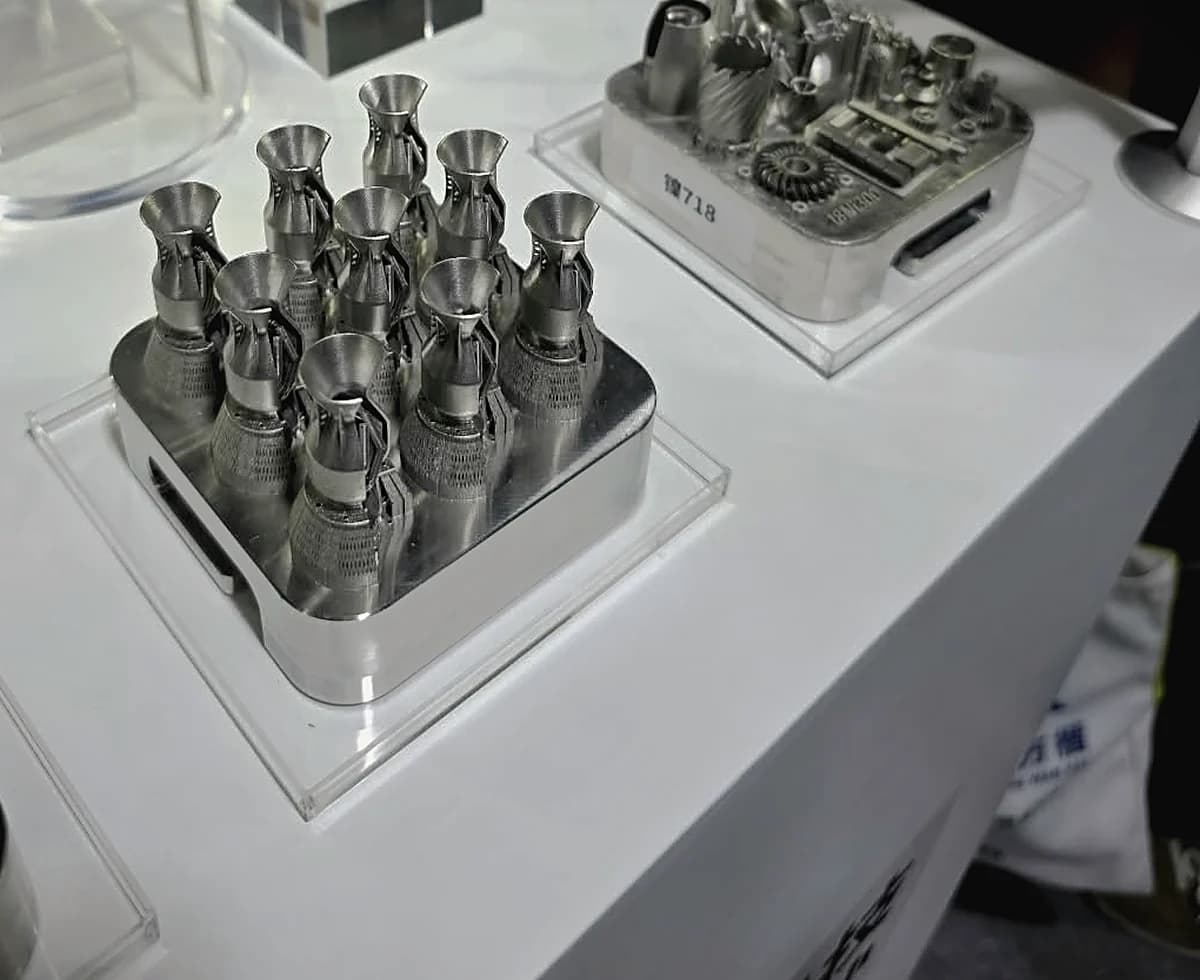
Tolerance and surface finish. An as-built L-PBF surface is not a bearing surface, and no post-process polish substitutes for a machined datum. If a feature has a tolerance tighter than roughly ±0.1 mm, plan to machine it and leave stock accordingly.
The practical consequence
Design the part for both operations from the start. That means:
- Machining allowance on every controlled feature, decided before the build, not after.
- Datum features that survive support removal and stress relief.
- A support strategy that does not obstruct the fixturing you will need later.
- Heat treatment sequenced before final machining, so residual stress moves the part while there is still stock to correct it.
None of this is exotic. It is the same discipline a casting or forging route demands; the difference is that additive has to acquire it, because the tooling that used to enforce it no longer exists.